5 Key PAN Rule Changes in Draft Income-Tax Rules, 2026: When PAN requires and when not?
 vrushangshah93@gmail.com
 PAN is not just for filing returns. It is needed when you buy a vehicle, book a banquet, purchase property, or move large amounts of cash through banks. The proposed rule (Rule 159) lists the financial transactions for which PAN must be quoted or applied for, and where it is no longer required. The government has given time until February 22, 2026, to taxpayers, professionals, and industry stakeholders to submit their feedback on the draft rules.
PAN rule changes in Draft and not yet finalized. It will be applicable from April 1, 2026.
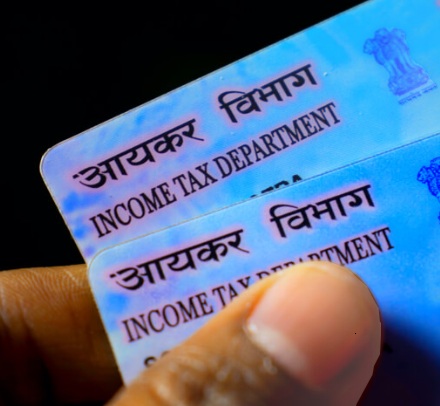
5 PAN changes that can impact daily transactions:
1. Buying a motor vehicle: PAN becomes threshold-based
It is required for most motor vehicle purchases (with specific exclusions such as two-wheelers).
Draft proposal: PAN will be required only if the transaction value exceeds ₹5 lakh, and the scope is adjusted to include motorcycles and exclude tractors. This means if you buy a motorcycle worth Rs. 4,50,000 then PAN may not be mandatory as per draft rules.
Even when PAN is not mandatory under one rule, sellers may still ask it as part of standard KYC.
2. Life insurance:
PAN quoting is linked to life insurance premium above ₹50,000 per year. But as per the New Draft Rules, this is replaced by PAN requirement at the start of an “account-based relationship,” which effectively means PAN becomes part of onboarding and applies across related transactions.
3. Property transactions: threshold doubles from ₹10 lakh to ₹20 lakh
Currently PAN required for property transactions above ₹10 lakh but as per new Draft proposal threshold becomes ₹20 lakh.
Property transactions still have other tax and reporting requirements. Property threshold change helps only if the deal is below ₹20 lakh, which is more common outside big cities.
4. Cash withdrawals and cash deposits, annual totals become the key trigger
This is where the draft rules tighten tracking.
Cash withdrawals
Current reporting trigger when withdraw ₹20 lakh or more in a financial year but as per Draft proposal ₹10 lakh in a financial year.
Cash deposits
PAN required for cash deposits aggregating to ₹10 lakh or more in a financial year across one or more accounts.
5. Cash payments at hotels, restaurants, banquet halls
Currently PAN is required for cash payments above ₹50,000 at one time. but as per Draft proposal threshold increases to ₹1,00,000.
What it means:
- Paying a hotel bill of ₹90,000 in cash may no longer trigger mandatory PAN quoting under this rule
- Paying ₹1.50 lakh in cash for a banquet or event service will likely require PAN.
In Summary, keep in mind the following points:
- For all vehicles if the transaction value exceeds Rs 5 Lakh, PAN is mandatory; if the transaction value is below Rs 5 Lakh, PAN is not required.
- Quoting of PAN will now be mandatory for making cash deposits or withdrawals aggregating to Rs 10 Lakh or more in a financial year, in one or more accounts of a person.
- In case of hotel, restaurant, convention center, or banquet hall bills, PAN will be mandatory for payments exceeding Rs. 1 Lakh.
- PAN will now be mandatory for starting an account-based relationship with an insurance company.
- PAN required for property transactions above ₹20 lakh.
They reduce friction for some one-off transactions like modest hotel cash payments and lower-ticket property deals, but they tighten the lens on large cash movement by shifting attention to yearly totals.
If you mostly live in the digital payment world, this will feel like a minor compliance update. If your income or business runs on cash cycles, this becomes a real operational change, so it is worth preparing early.
From April 1, PAN that is not linked with Aadhaar will remain inoperative Taxpayers will have to pay a prescribed fee and intimate Aadhaar again to reactivate it, which could take up to 30 days.
During the period PAN remains inoperative, individuals may face practical consequences:
- No tax refunds will be released,
- No interest will accrue on pending refunds, and
- Higher TDS/TCS could apply on applicable payments.
If implemented in their current form, the revised PAN thresholds could simplify compliance for routine transactions while ensuring continued scrutiny of high-value financial activity.
About the Author